How Storage Facilities for RVs Help Protect Recreational Vehicles
Table of Contents
- Introduction
- Understanding the Importance of RV Storage
- Common Types of RV Storage Options
- Outdoor Storage
- Covered or Carport Storage
- Enclosed Storage Units
- Security Features in RV Storage Facilities
- Space and Accessibility Considerations
- Maintenance and Longevity Benefits of Proper Storage
- Environmental and Weather Protection
- Costs and Considerations for Choosing RV Storage
- Conclusion
- Frequently Asked Questions
Key Takeaways:
- Storage facilities for RVs provide protection against environmental damage, theft, and general wear.
- Various storage options—outdoor, covered, and enclosed—offer differing levels of protection.
- Security features, such as surveillance, controlled access, and lighting, contribute to overall vehicle safety.
- Proper storage can facilitate maintenance routines and reduce long-term deterioration.
- Selecting storage requires consideration of space, accessibility, and environmental factors.
Introduction
Storage facilities for RVs help protect recreational vehicles by providing controlled, secure, and organized environments when vehicles are not in use. For RV owners in St. Charles, MO, understanding storage options is essential because these vehicles represent a significant investment and require ongoing care to remain safe and functional.
We often encounter challenges such as exposure to weather, risk of vandalism, or deterioration from inactivity. Thoughtful storage planning can address these challenges, offering peace of mind and supporting responsible ownership. By examining different storage types, security measures, and maintenance considerations, we can make informed decisions that balance cost, convenience, and protection.
Understanding the Importance of RV Storage
Recreational vehicles are large, complex vehicles that combine features of automobiles, homes, and storage units. This complexity makes them sensitive to environmental factors like moisture, temperature fluctuations, and sun exposure. Without appropriate storage, RVs may experience accelerated wear, corrosion, or damage to finishes and mechanical systems.
Storing RVs in a secure, purpose-built facility helps reduce exposure to these risks. Beyond environmental protection, storage facilities also support practical concerns such as space management and insurance compliance. By centralizing storage in a facility designed for RVs, owners can ensure their vehicles remain accessible, safe, and in a condition that supports long-term use.
Common Types of RV Storage Options
Storage facilities for RVs offer a range of options depending on the level of protection and accessibility required. Each option has distinct characteristics, benefits, and limitations.
Outdoor Storage
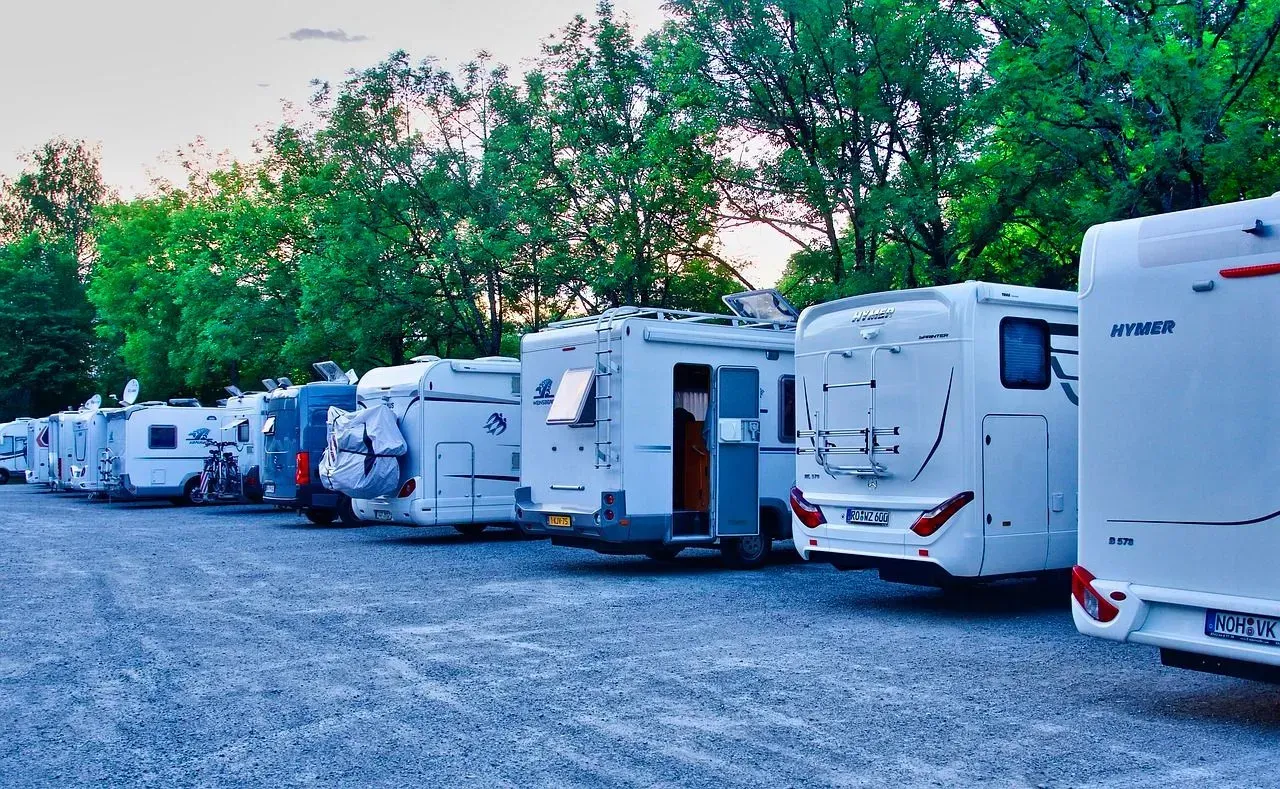
Outdoor storage is often the most cost-effective solution and typically involves parking the RV in an open lot.
Advantages:
- Affordable relative to covered or enclosed options
- Easy access for frequent use or maintenance
Limitations:
- Exposure to sun, rain, snow, and wind
- Higher risk of environmental wear on paint, tires, and seals
While outdoor storage does not shield vehicles from all environmental factors, it can be suitable for owners who use their RVs regularly and conduct routine maintenance.
Covered or Carport Storage
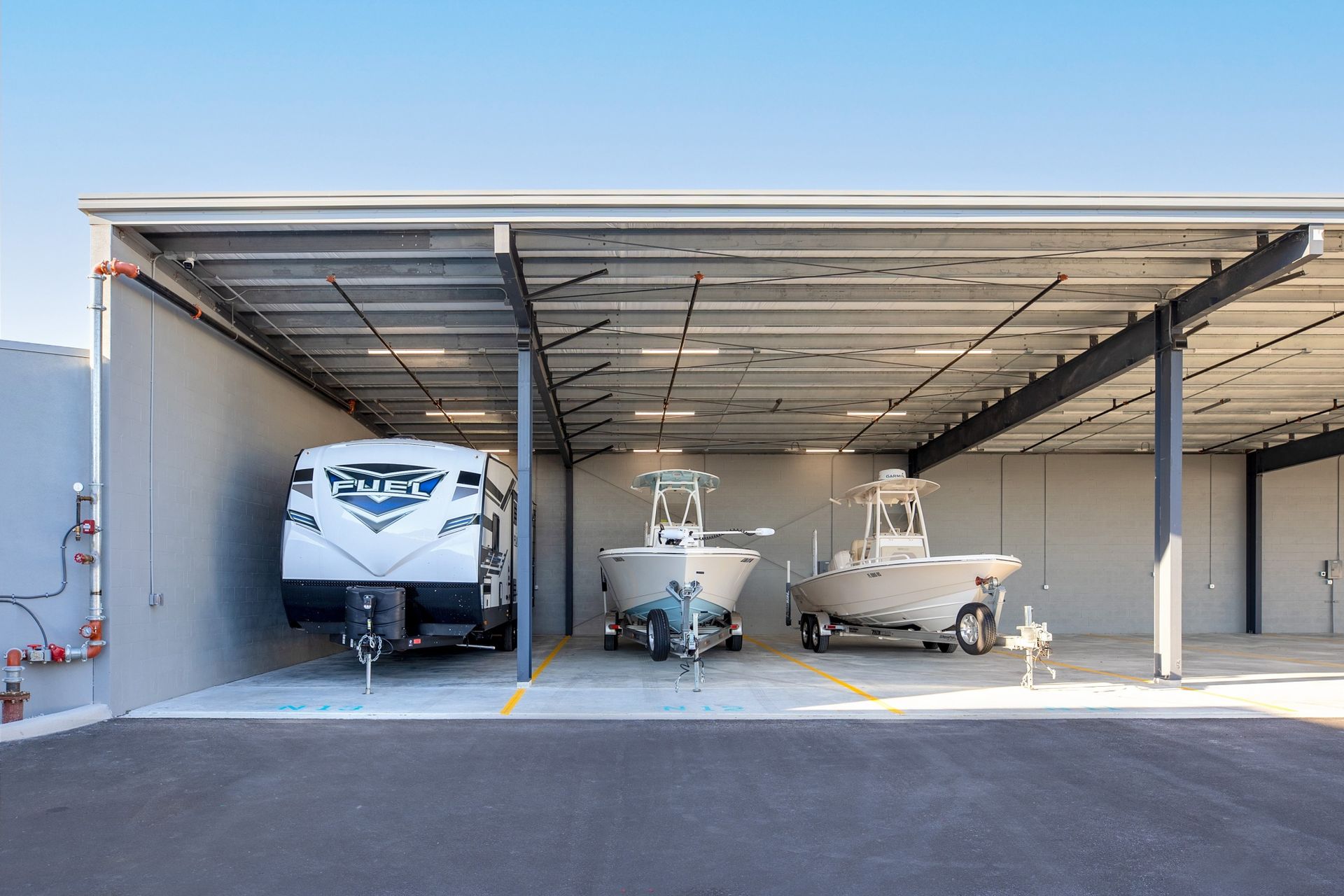
Covered storage provides partial protection using a roof or canopy over the RV while leaving the sides open.
Advantages:
- Shields the vehicle from direct sunlight, snow accumulation, and precipitation
- Reduces fading of paint and interior materials
Limitations:
- Side exposure still allows for dust, wind, and minor debris
- Limited security compared with enclosed storage
This option is a middle ground between cost and protection, offering some defense against weather while remaining accessible.
Enclosed Storage Units
Enclosed storage units provide fully protected spaces, similar to garages, often including walls, locked doors, and sometimes climate control.
Advantages
- Maximum protection from weather and debris
- Enhanced security against theft or vandalism
- Controlled environment can reduce moisture-related deterioration
Limitations:
- Higher cost than outdoor or covered storage
- May require more planning for vehicle maneuvering
Enclosed storage is often preferred for long-term storage, seasonal vehicles, or those located in regions with extreme weather conditions.
Security Features in RV Storage Facilities
Security is a key component in protecting recreational vehicles. Storage facilities for RVs often include multiple layers of safety measures:
- Fencing and Gated Access: Limits unauthorized entry and clearly defines the property perimeter.
- Surveillance Cameras: Continuous monitoring can deter vandalism and document activity.
- Lighting: Well-lit areas reduce concealment opportunities for potential intruders.
- Individual Unit Locks or Keycard Access: Enhances personal security for each stored vehicle.
- On-Site Staff or Patrols: Presence of personnel can respond to incidents and maintain facility standards.
While no security system is foolproof, combining several measures increases the overall protection of stored vehicles.
Space and Accessibility Considerations
When choosing a storage facility, space and accessibility are important practical concerns.
- Vehicle Dimensions: RVs vary in length, height, and width. Facilities must accommodate the largest vehicles safely.
- Maneuvering Space: Adequate aisle width and turning areas prevent damage when parking or retrieving the vehicle.
- Seasonal Use: Accessibility for snow removal or seasonal maintenance can influence storage choice.
- Proximity: Local storage facilities reduce travel time and allow for quicker access to the vehicle when needed.
Ensuring the facility suits both current and potential future vehicles can avoid complications as RV ownership needs change.
Maintenance and Longevity Benefits of Proper Storage
Proper storage supports regular maintenance practices, which are important for preserving vehicle condition.
- Preventing Tire Deformation: Parking on level surfaces and occasionally moving the vehicle helps maintain tire shape.
- Battery Management: Enclosed storage can prevent extreme temperatures from affecting battery life.
- Reducing Moisture Accumulation: Controlled environments or moisture barriers can limit mold, mildew, and rust formation.
- Regular Inspections: Storage facilities that allow easy access support scheduled checks and routine upkeep.
By integrating storage planning with maintenance routines, we can mitigate long-term deterioration without relying on exaggerated claims of lifespan extension.
Environmental and Weather Protection
Exposure to environmental elements is a major factor in RV wear and tear. Storage facilities offer protection against:
- UV Radiation: Direct sunlight can degrade paint, upholstery, and plastics.
- Rain and Snow: Excess moisture can affect exterior finishes and mechanical components.
- Wind and Debris: Open lots can allow dust, leaves, and small debris to accumulate.
- Temperature Fluctuations: Extreme cold or heat can strain engines, water systems, and batteries.
Understanding these risks helps owners choose storage that balances cost, access, and environmental protection.
Costs and Considerations for Choosing RV Storage
Selecting a storage facility involves weighing multiple factors:
- Type of Storage: Outdoor, covered, or enclosed options have different price points.
- Location: Urban or suburban facilities may have higher costs but provide convenience.
- Security Level: Enhanced security features typically increase fees.
- Duration of Use: Long-term vs. short-term storage may affect pricing structures.
Evaluating these considerations alongside practical needs ensures that owners make informed choices without relying on promotional assurances.
Conclusion
Storage facilities for RVs play a critical role in safeguarding recreational vehicles from environmental, security, and maintenance-related risks. By understanding storage types, security features, space requirements, and maintenance benefits, we can approach storage decisions with clarity and confidence. Thoughtful rv storage planning allows owners to manage their vehicles responsibly while minimizing potential damage and deterioration.
Book a storage facility for RVs that aligns with your needs to ensure your vehicle is kept in a controlled and secure environment.
Frequently Asked Questions
What is the difference between covered and enclosed RV storage?
Covered storage protects the vehicle from direct sun and precipitation but leaves sides exposed. Enclosed storage provides walls and often locked doors, offering greater security and weather protection.
How does RV storage affect vehicle maintenance?
Proper storage supports maintenance by allowing for level parking, easier inspections, and protection from environmental factors that can accelerate wear.
Can outdoor RV storage be safe in St. Charles, MO?
Outdoor storage can be suitable for short-term use or frequent access, but it offers limited protection from weather and debris compared to covered or enclosed options.
What security features should we look for in an RV storage facility?
Key features include gated access, surveillance cameras, lighting, controlled entry systems, and on-site personnel. Combining multiple measures improves overall vehicle security.
How do I choose the right storage option for my RV?
Consider vehicle size, usage frequency, environmental exposure, security needs, and budget. Matching these factors with available storage types helps support informed decision-making.
Related Posts