Where Do Kansas City RV Owners Park in 2026?
Table of Contents
- Introduction
- Kansas City RV Parking Laws Explained
- How HOA Rules Affect RV Parking
- Why RV Ownership Is Still Increasing
- Common RV Storage Options in Kansas City
- Seasonal Storage Considerations in Missouri
- Choosing an RV Storage Facility
- Conclusion
- Book RV Storage
- Frequently Asked Questions
Key Takeaways:
- Kansas City regulates residential RV parking through municipal code provisions.
- HOAs often impose stricter limits than city ordinances.
- Off-site storage is common due to lot size and visibility restrictions.
- Seasonal weather in Missouri requires proper RV preparation before storage.
- Understanding local rules helps prevent fines and compliance issues.
Introduction
Kansas City RV owners typically park their vehicles either on private residential property in compliance with city code and HOA rules, or at dedicated off-site storage facilities. This topic matters because violations of municipal ordinances or HOA policies can result in fines or required removal. Understanding the legal framework helps RV owners make informed, compliant decisions before and after purchasing a recreational vehicle.
Kansas City RV Parking Laws Explained
Kansas City regulates vehicle storage under its municipal code. Recreational vehicles parked on residential property must meet specific requirements to avoid being classified as a nuisance.
General City Requirements
In many cases, an RV must:
- Be parked on a paved surface
- Maintain a minimum setback distance from the curb
- Comply with visibility rules if occupied
Parking inside an enclosed garage or accessory structure may also be permitted. However, large motorhomes often exceed the dimensions of standard residential garages. Lot size, zoning classification, and visibility from public streets all influence compliance. Reviewing the local code before parking long term helps prevent violations.
How HOA Rules Affect RV Parking
Homeowners associations across the Kansas City metro area often impose additional restrictions beyond city law.
Common HOA Restrictions
HOA covenants frequently limit:
- Parking RVs in front yards
- Long-term driveway storage
- Vehicles exceeding specific height or length thresholds
- Street-side parking beyond short loading periods
Unlike municipal ordinances, HOA rules are contractual agreements tied to property ownership. Violations may lead to warnings, fines, or formal enforcement actions.
Before purchasing an RV, reviewing neighborhood covenants and bylaws is a practical step. In many suburban communities, HOA policy is the primary limiting factor rather than city code.
Why RV Ownership Is Still Increasing
Despite storage challenges, RV ownership continues to grow nationally. According to the RV Industry Association, shipment forecasts for 2026 indicate modest increases in wholesale deliveries.
Several factors contribute to sustained demand:
- Flexible travel preferences
- Interest in domestic road trips
- Retirement mobility
- Remote work flexibility
Many RV owners reside in suburban neighborhoods, where driveway space and HOA rules are most restrictive. As ownership rises, demand for compliant storage solutions also increases.
Common RV Storage Options in Kansas City
When at-home parking is not permitted or practical, owners typically consider off-site storage.
Outdoor Storage
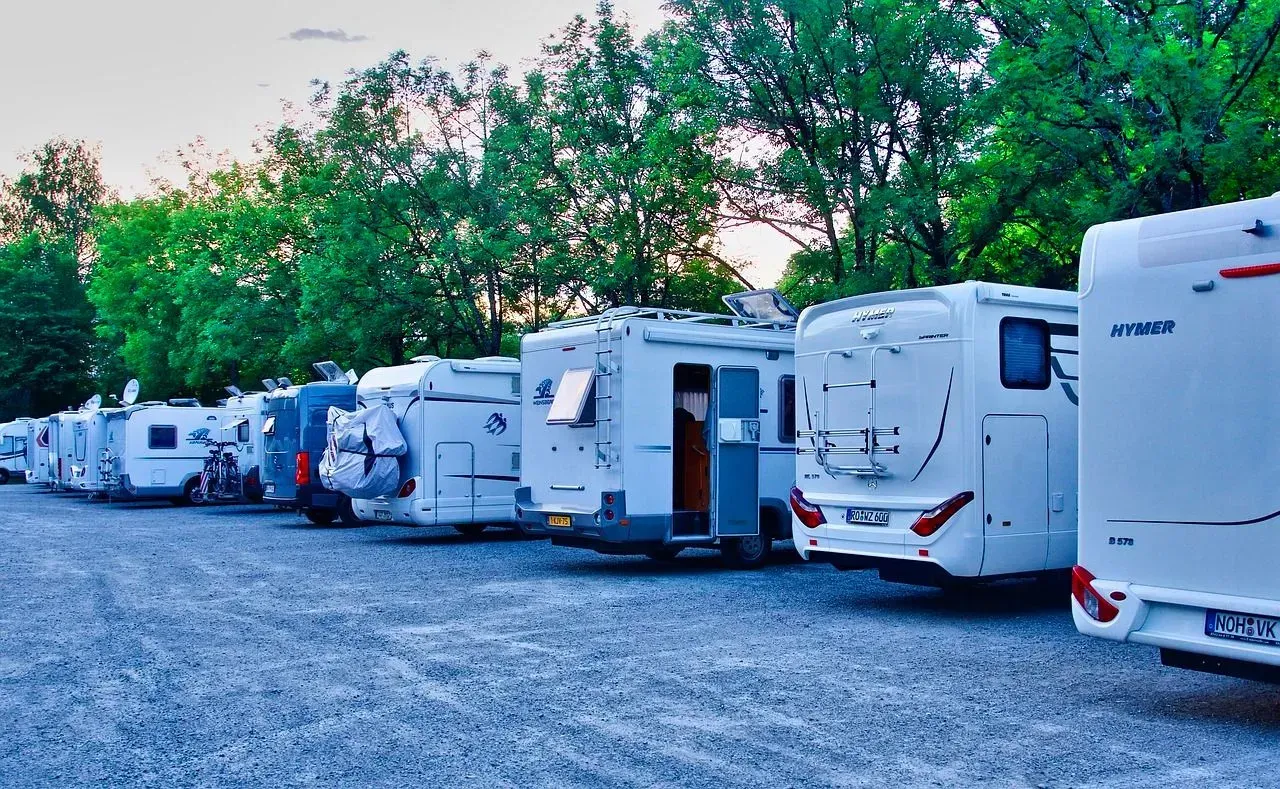
Outdoor storage involves parking the RV in a secured, fenced lot. This option is generally the most accessible and cost-conscious. Most modern RVs are designed to withstand outdoor conditions when properly maintained.
Covered Storage
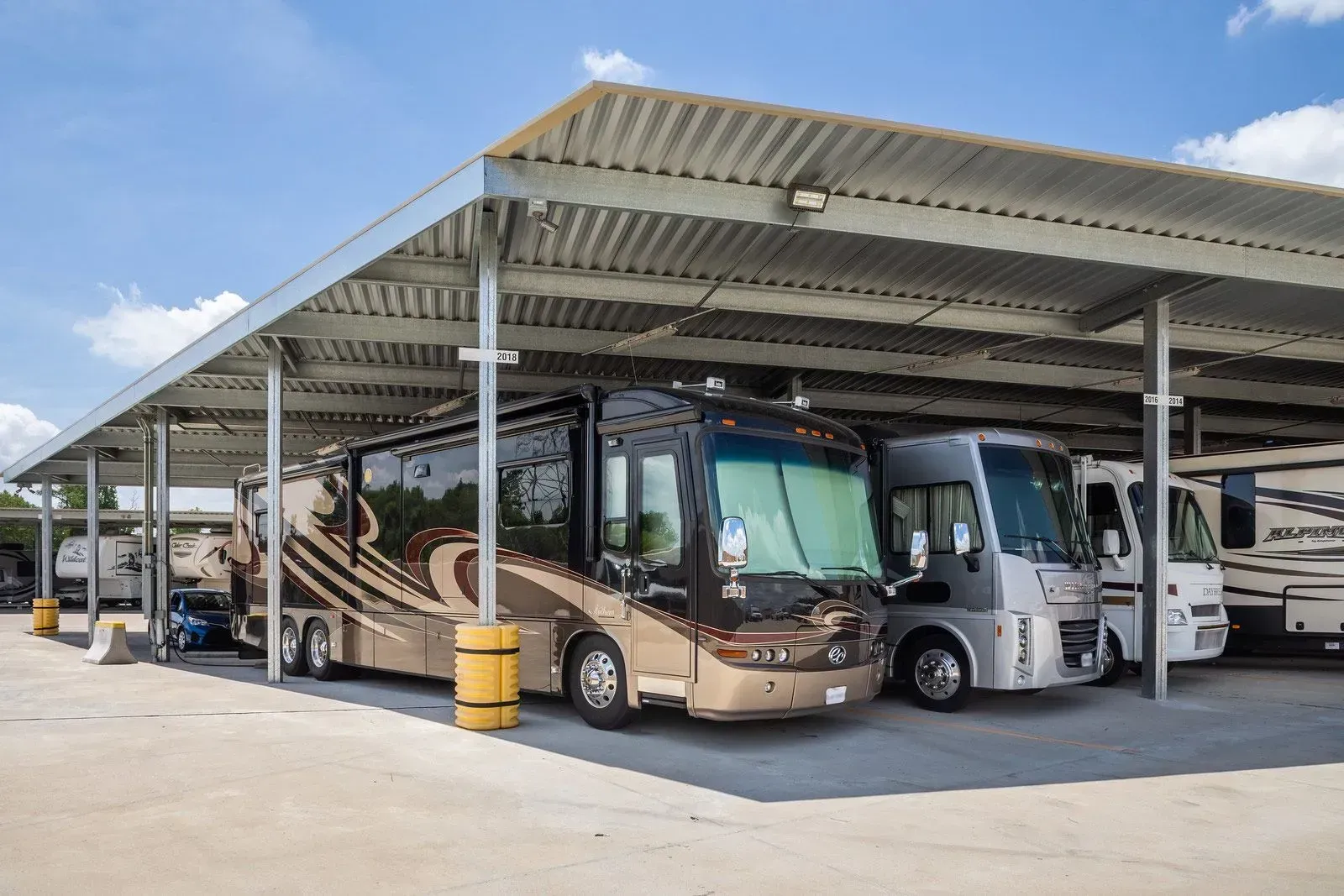
Covered storage provides overhead protection from direct sun exposure and precipitation. This may reduce long-term wear on roofing materials and seals.
Indoor Storage
Indoor storage places the RV inside an enclosed structure. This option offers additional environmental protection but may have limited availability due to space requirements.
Each option varies in cost depending on location, space size, and security features.
Seasonal Storage Considerations in Missouri
Kansas City experiences temperature swings that can affect RV systems. Proper preparation reduces the risk of weather-related damage.
Before Winter Storage
- Drain and winterize water lines
- Add RV-safe antifreeze where appropriate
- Remove perishable items
- Disconnect or maintain the battery
- Inspect seals and roof components
Before Spring Use
- Test plumbing and electrical systems
- Inspect tires for pressure and wear
- Check propane connections
- Sanitize the freshwater tank
Planning storage around seasonal checkpoints supports equipment longevity and safe operation.
Choosing an RV Storage Facility
When evaluating storage facilities in Kansas City, consider practical factors rather than marketing claims.
Important features may include:
- Controlled gate access
- Perimeter fencing
- Adequate turning radius for large rigs
- Clear lease terms
- Defined access hours
Location also matters. Proximity to highways or typical travel routes can simplify trip planning. Reviewing facility policies and insurance requirements helps clarify responsibilities before signing an agreement.
Conclusion
Kansas City RV owners park their vehicles either in compliance with municipal and HOA rules at home or in dedicated storage facilities. City ordinances establish baseline requirements, while HOA covenants often impose stricter limitations.
Because RV ownership remains common in suburban communities, understanding zoning rules, visibility restrictions, and seasonal preparation needs supports responsible vehicle management. Making informed decisions about parking and storage reduces compliance risks and protects long-term vehicle condition.
Book RV Storage
If you need clarification about compliant RV storage options in Kansas City, speaking with a local storage provider can help you understand space availability, access policies, and lease terms. Requesting information before committing supports informed planning and responsible storage decisions.
Contact us at (816) 290-6567 or send an email at kansascityrvstorage@gmail.com to learn more.
Frequently Asked Questions
Can I park my RV in my driveway in Kansas City?
It may be allowed if the RV is parked on a paved surface and meets setback requirements. However, many HOAs impose stricter rules. Always review both city code and HOA covenants before long-term parking.
Are HOA rules enforceable for RV parking?
Yes. HOA rules are legally binding agreements tied to property ownership. Violations may result in notices, fines, or required removal of the vehicle.
Is it legal to live in an RV on residential property?
Living in an RV may be restricted depending on zoning and visibility requirements. Most standard residential neighborhoods do not permit long-term occupancy of RVs in driveways.
What types of RV storage are available in Kansas City?
Common options include outdoor lots, covered spaces, and indoor storage units. Availability depends on facility size and demand within the metro area.
When is demand for RV storage highest?
Demand often increases before spring and summer travel seasons. Planning ahead can help secure space before peak camping months.
Related Posts