What Should Kansas City RV Owners Know Before Choosing a Storage Facility?
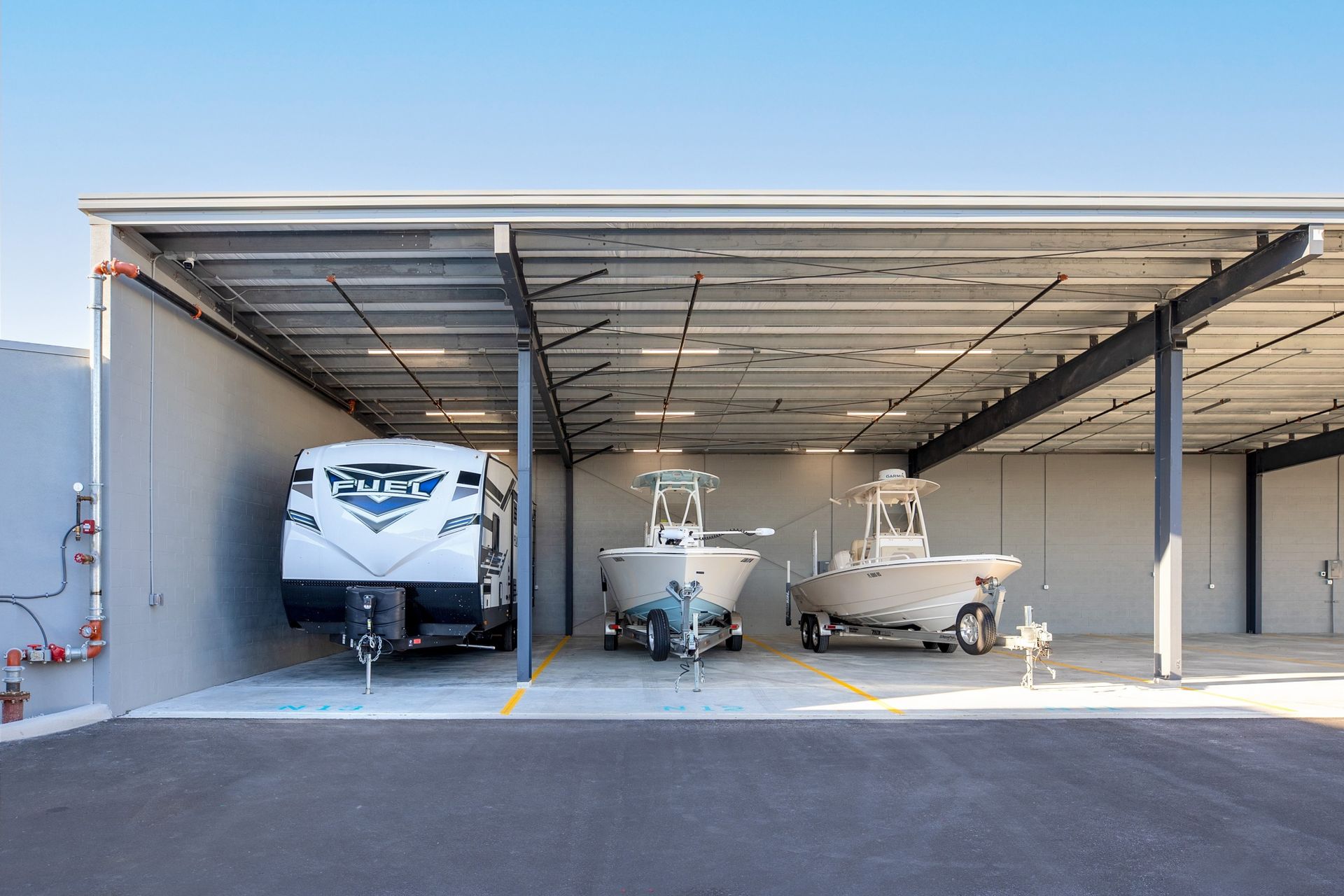
Table of Contents
- Introduction
- Why RV Storage Has Become a Practical Necessity in Kansas City
- Understanding the Types of RV Storage Available
- What the Kansas City Storage Market Looks Like in 2026
- Key Factors to Evaluate When Choosing a Storage Facility
- Kansas City Weather and Its Impact on RV Storage Decisions
- HOA Rules, Local Ordinances, and Why They Matter
- Practical Steps Before You Sign a Storage Agreement
- Book a Storage Consultation
- Frequently Asked Questions
Key Takeaways:
- RV ownership has grown more than 62% over the last two decades, and the Kansas City market has seen a 1.3% increase in annualized storage rental rates, reflecting steady demand relative to available supply (Yardi Matrix, 2025).
- The average RV is used approximately 25 days per year, meaning off-site storage is a practical consideration for most owners rather than an occasional one.
- Kansas City's suburban growth, HOA restrictions, and residential zoning rules have made at-home RV parking impractical or prohibited for a significant portion of owners in the metro area.
- Storage facility types vary considerably - outdoor uncovered, outdoor covered, and enclosed options each carry different cost, access, and protection trade-offs.
- Evaluating a facility involves more than price: access hours, lane width, security infrastructure, and lease terms all affect the day-to-day experience of storing a large vehicle.
Introduction
Choosing where to store an RV in Kansas City involves more practical decisions than many owners anticipate. The Kansas City metro - including suburbs such as Overland Park, Olathe, Lee's Summit, and Independence - presents a specific set of conditions that shape the storage decision: suburban density, HOA-governed communities, a continental climate with significant seasonal variation, and a storage market where demand has outpaced the growth of available facilities.
This guide is designed to help RV owners in the Kansas City area understand their storage options clearly, evaluate facilities on relevant criteria, and ask the right questions before committing to a lease.
Why RV Storage Has Become a Practical Necessity in Kansas City
RV ownership in the United States has increased by more than 62% over the past two decades, according to Yardi Matrix data published in 2025. While the pandemic-era peak of 571,000 new registrations in 2021 has not been repeated, ownership levels remain historically elevated, with an estimated 25 million RV and boat owners nationwide.
The practical challenge is straightforward: an RV is used, on average, approximately 25 days per year. For the remaining 340 days, it requires a place to be stored safely and accessibly.
For many Kansas City residents, that place cannot be their own property. A combination of HOA covenants, municipal zoning ordinances, and physical space limitations - particularly in newer suburban developments - means that a dedicated off-site storage facility is not optional, but necessary.
Understanding the Types of RV Storage Available
RV storage facilities generally offer three main configurations, each with distinct characteristics:
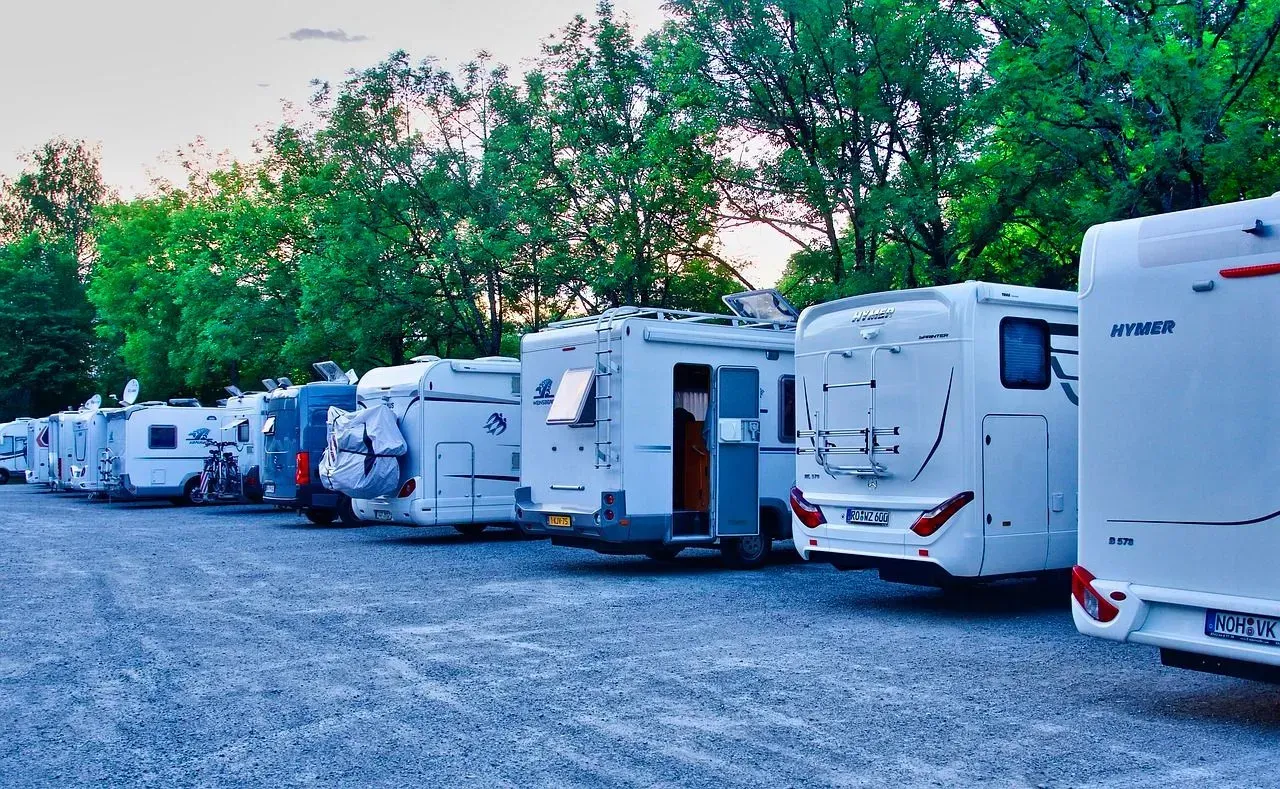
Outdoor Uncovered Parking
This is the most common and typically the most affordable option. The vehicle is parked on a gravel or paved surface in an open lot. There is no protection from weather, UV exposure, or debris.
This option may be appropriate for owners with shorter storage periods, those whose RVs have durable exterior materials, or those with a lower budget for storage costs. It is worth noting that extended UV exposure and weather events can accelerate wear on roofing materials, seals, and exterior surfaces over time.
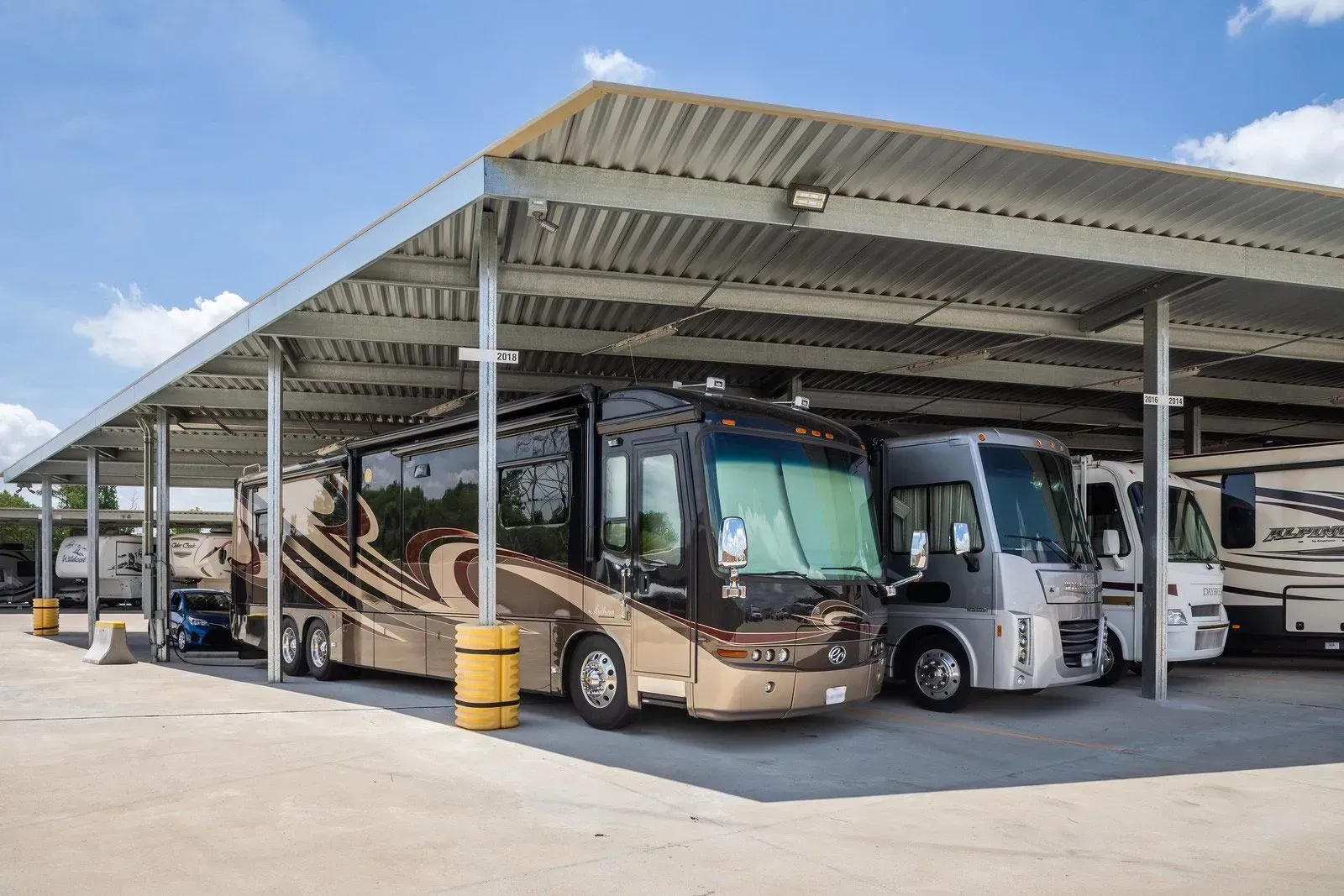
Outdoor Covered Parking
Covered spaces place the RV under a roof structure - typically a carport-style canopy - while leaving the sides open. This provides meaningful protection from direct sun, rain, hail, and snow accumulation.
In a climate like Kansas City's, which experiences hot summers, significant hail activity, and cold winters with ice accumulation, covered storage offers a practical middle ground between cost and protection.
Enclosed or Indoor Storage
Fully enclosed units provide the highest level of environmental protection. They are generally the most expensive option and may not be available at all facilities in the Kansas City area.
Enclosed storage is most relevant for owners with high-value RVs, vehicles with sensitive interior components or electronics, or those storing for extended periods across multiple seasons.
What the Kansas City Storage Market Looks Like in 2026
The Kansas City RV storage market reflects broader national trends, with some local characteristics worth understanding.
According to Yardi Matrix data, Kansas City posted a 1.3% increase in annualized RV storage rental rates - one of the stronger figures among tracked Midwest markets. Minneapolis posted 1.6% for comparison. This suggests that demand in the Kansas City area has been sufficient to support modest rate growth, even as some smaller unit sizes nationally have seen rate softening.
Nationally, the number of dedicated RV and boat storage properties grew from approximately 800 in 2023 to 1,798 by 2025, with 56 facilities under construction and 162 in planning stages as of early 2026. Despite this growth, industry analysts have noted that the existing supply falls well short of the volume needed to serve the total population of RV and boat owners. Occupancy rates at well-located facilities have remained consistently high.
For Kansas City owners, this context is relevant when evaluating timing: facilities with good locations and strong reputations tend to fill available spaces faster than those in less convenient areas. Waitlists are not uncommon at higher-demand facilities during peak seasons.
Key Factors to Evaluate When Choosing a Storage Facility
When assessing a Kansas City RV storage facility, the following factors are worth examining systematically:
Security Infrastructure
A facility's security measures directly affect the risk profile of storing a high-value vehicle. Relevant features to ask about include:
- Perimeter fencing and gated access with keypad or card entry
- CCTV camera coverage of storage areas
- Motion-activated lighting
- Whether access is monitored or logged
It is reasonable to ask a facility manager to walk you through their security setup before committing to a lease.
Lane Width and Maneuverability
Larger RVs - particularly Class A motorhomes and fifth-wheel trailers - require adequate space to navigate safely within a facility. A 40-foot vehicle in a tight lot presents real risk of damage during entry and exit.
Ask specifically about lane widths, whether pull-through spaces are available, and how the facility accommodates longer vehicles.
Access Hours
Access hours vary significantly between facilities. Some offer 24-hour access with electronic gate codes; others restrict access to business hours or specific windows. Your storage arrangement should align with how you actually use your RV - including early morning departures and late-evening returns from trips.
Lease Terms and Flexibility
Month-to-month leases offer flexibility for owners whose usage patterns change seasonally. Longer-term agreements may carry different pricing structures. Review the lease terms carefully, including policies on early termination, rate adjustments, and what happens if a space becomes unavailable.
Insurance Requirements
Many storage facilities require proof of insurance on the stored vehicle. Confirm what your current RV insurance policy covers while the vehicle is in storage, and whether the facility carries its own liability coverage for the property.
Kansas City Weather and Its Impact on RV Storage Decisions
Kansas City has a humid continental climate with meaningful seasonal variation. Summers bring high temperatures, UV intensity, and periodic severe weather including hail. Winters bring freezing temperatures, ice accumulation, and occasional heavy snow.
Each of these conditions has practical implications for RV storage:
- Summer heat and UV exposure can degrade roof sealants, cause exterior fading, and affect rubber components over time. Covered storage reduces direct UV exposure compared to open-lot parking.
- Hail is a documented risk in the Kansas City area. Covered storage provides a degree of protection, though the level of protection depends on the canopy construction. Enclosed storage offers the most complete protection from hail damage.
- Winter freezing can affect water lines, holding tanks, and seals in RVs that have not been properly winterized. Proper winterization before storage is a separate consideration from the storage environment itself, but the two are related: an enclosed or covered space may make winterization procedures easier to perform on-site.
Owners should factor their specific RV type, its age and condition, and their planned storage duration into decisions about which storage configuration is appropriate.
HOA Rules, Local Ordinances, and Why They Matter
A significant driver of off-site RV storage demand in the Kansas City metro is the prevalence of HOA rules and municipal ordinances that restrict or prohibit parking recreational vehicles on residential property.
HOA covenants vary by community and are set by each association independently. Some prohibit any RV parking on driveways or streets; others allow temporary parking for loading and unloading but not long-term storage. Violations can result in fines or enforcement actions.
Municipal zoning rules also vary across the Kansas City metro. Kansas City, Missouri, Overland Park, Olathe, Lee's Summit, and other jurisdictions each have their own codes. Some restrict the size of vehicles that can be parked on residential lots; others have specific rules about street parking duration.
If you are uncertain about the rules that apply to your property, the relevant HOA documentation or local municipal code is the appropriate place to verify. Storage facility staff are generally not in a position to provide authoritative guidance on HOA or zoning compliance.
Practical Steps Before You Sign a Storage Agreement
Before committing to a storage lease, the following steps are worth taking:
- Visit the facility in person. Photos and online listings do not convey lane width, surface condition, lighting quality, or the overall state of the property. A site visit provides information that is difficult to assess remotely.
- Ask about current availability and waitlist status. Particularly if you need storage for a specific date - before or after a trip, or at the start of winter - confirm that a suitable space will actually be available.
- Review the lease agreement carefully. Pay attention to rate adjustment clauses, access restrictions, liability limitations, and the process for terminating the agreement.
- Confirm insurance requirements. Check with your RV insurance provider about what is covered while the vehicle is in off-site storage, and whether the storage facility's requirements align with your existing policy.
- Ask about on-site amenities. Some facilities offer electrical hookups, dump stations, or wash areas. If these are relevant to how you use or maintain your RV, they may affect which facility is the most practical choice.
- Consider timing relative to demand. In the Kansas City area, demand for storage spaces tends to increase in late summer and early fall as owners return from summer travel and look to store vehicles for winter. Securing a space earlier in the season may provide more options.
Book a Storage Consultation
Choosing the right RV storage arrangement involves several variables - vehicle size, storage duration, budget, access needs, and local conditions - that are easier to work through with direct information from a facility.
If you have questions about available options in the Kansas City area, or would like to understand what to expect before making a decision, we are available to help. Contact us at (816) 290-6567 or send an email at kansascityrvstorage@gmail.com to learn more.
Frequently Asked Questions
What is the difference between covered and enclosed RV storage?
Covered storage places the vehicle under a roof structure with open sides, providing protection from direct sun, rain, and snow accumulation while allowing airflow. Enclosed storage places the vehicle inside a fully enclosed unit, providing protection from weather, temperature extremes, and environmental exposure. Enclosed storage generally costs more and may not be available at all facilities.
Do I need special insurance to store my RV off-site in Kansas City?
Most RV insurance policies include some coverage while the vehicle is in storage, but the specifics vary by policy and provider. Many storage facilities require proof of insurance as a condition of the lease. It is advisable to review your policy terms and speak with your insurance provider before signing a storage agreement.
Are there restrictions on parking an RV at my home in Kansas City?
This depends on your specific location. HOA covenants, if applicable, may restrict or prohibit residential RV parking. Municipal zoning codes also vary across the Kansas City metro. The relevant HOA documents or your local municipal code are the appropriate sources for accurate information about rules that apply to your property.
How far in advance should I look for RV storage in Kansas City?
Demand for storage spaces tends to be highest in late summer and fall. Owners planning to store for winter or looking for a space ahead of spring travel season may find it useful to begin their search several weeks to a few months in advance, particularly if they have specific requirements such as covered spaces or pull-through access.
What size space do I need for my RV?
The appropriate space size depends on your vehicle's length, width, and height. Measure your RV before contacting facilities, including any slide-outs if relevant to the storage configuration. Most facilities list available space dimensions and can advise on which options accommodate a given vehicle size.
Is month-to-month storage available, or are longer commitments required?
Lease terms vary by facility. Many offer month-to-month arrangements; others may offer longer-term agreements at different rates. Review the lease terms carefully before signing, including any provisions for rate changes or early termination.
What should I look for when inspecting a storage facility in person?
During a site visit, it is useful to observe the condition of the surface (paved vs. gravel, drainage), lane widths and maneuverability for your vehicle size, lighting, fencing and gate condition, camera placement, and the general state of maintenance. Speaking with the facility manager directly provides an opportunity to ask about security procedures, access hours, and what happens in the event of a maintenance issue.
Related Posts