How Storage for Recreational Vehicles Helps Extend RV Lifespan
Table of Contents
- Introduction
- Why RV Storage Matters for Vehicle Longevity
- How Weather Exposure Affects RVs Over Time
- The Role of UV Protection in RV Preservation
- Preventing Pest and Rodent Damage Through Storage
- Reducing Mechanical Wear During Long-Term Storage
- Understanding Different Types of RV Storage Options
- Outdoor RV Parking Storage
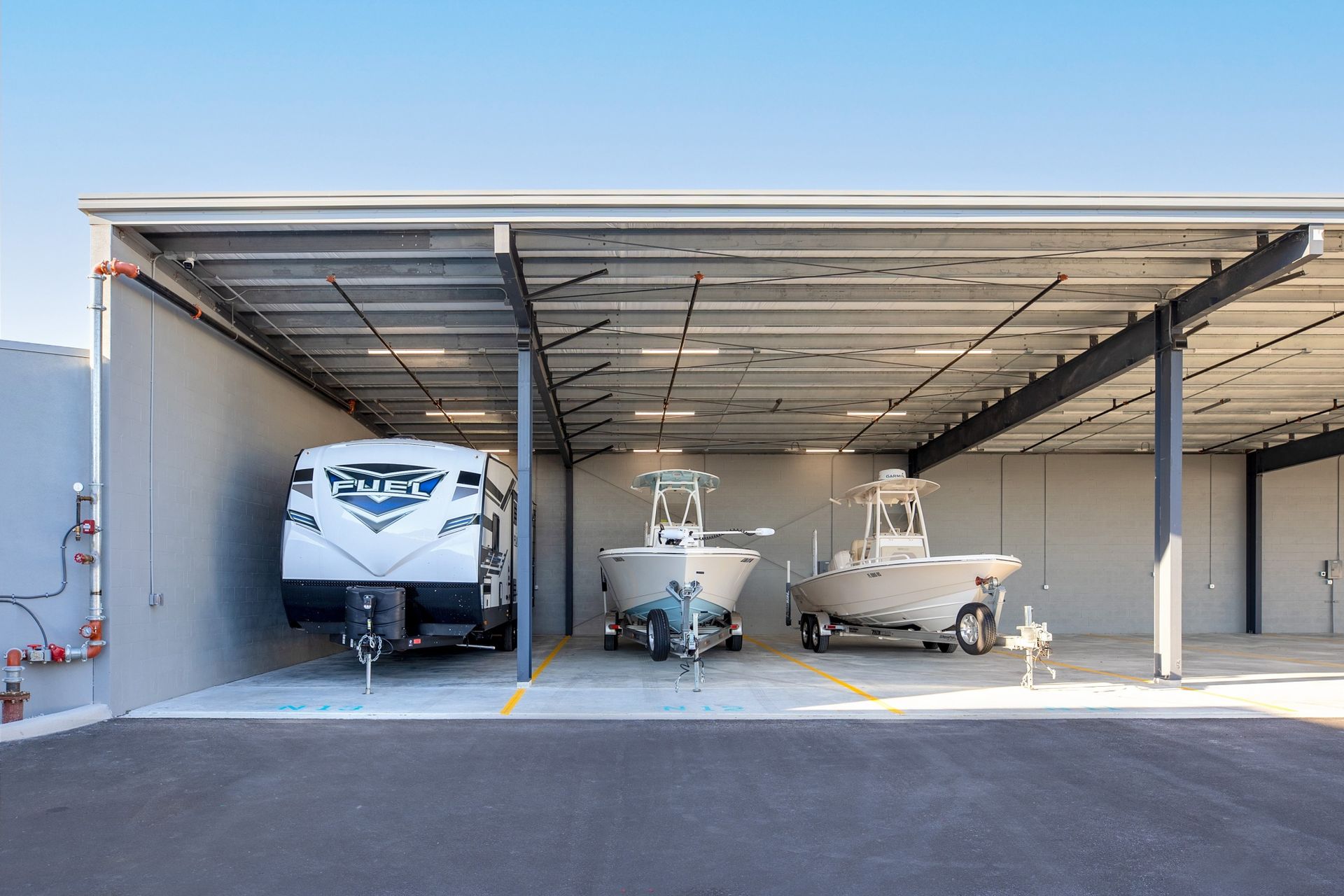
- Covered RV Storage
- Enclosed RV Storage Facilities
- Climate Considerations for RV Storage in Kansas City, MO
- Cost, Maintenance, and Practical Limitations
- Conclusion
- Book RV Storage
- Frequently Asked Questions
Key Takeaways:
- Storage for recreational vehicles helps limit exposure to weather, sunlight, and environmental wear.
- RV storage facilities can reduce risks related to pests, moisture, and long-term inactivity.
- Proper storage supports maintenance planning but does not replace routine inspections.
- Storage options vary in protection level, cost, and suitability depending on RV type and usage.
- Climate and regional conditions play a significant role in choosing appropriate RV parking storage.
Introduction
Storage for recreational vehicles helps extend RV lifespan by reducing prolonged exposure to environmental, mechanical, and biological factors that contribute to gradual deterioration. This topic matters to RV owners because recreational vehicles represent both a financial investment and a long-term lifestyle choice, and how an RV is stored directly affects its condition over time.
We approach this subject from an educational standpoint, focusing on how informed storage decisions can support vehicle care, especially for owners in and around Kansas City, MO, where seasonal weather changes are a practical concern.
Why RV Storage Matters for Vehicle Longevity
Recreational vehicles are designed for travel and temporary outdoor exposure, not continuous exposure to the elements. When parked without protection for extended periods, materials such as rubber seals, roofing membranes, tires, and exterior finishes experience cumulative wear.
Storage for recreational vehicles provides a controlled resting environment. While storage does not stop aging, it can slow down certain forms of deterioration by limiting exposure to known stressors. Over time, this can influence how frequently repairs and replacements are needed.
How Weather Exposure Affects RVs Over Time
Weather is one of the most consistent contributors to RV wear. Rain, snow, wind, and temperature fluctuations all affect different components of a vehicle.
Moisture can seep into seams and joints, particularly around windows, vents, and roof fixtures. Freeze-thaw cycles common in Missouri winters may expand small cracks, allowing water intrusion to worsen gradually.
RV storage facilities help reduce direct exposure to precipitation. Even basic RV parking storage that keeps vehicles off grass or soil can reduce moisture-related risks to tires and undercarriage components.
The Role of UV Protection in RV Preservation
Sunlight contains ultraviolet radiation that breaks down many exterior materials over time. Paint, decals, rubber seals, and plastic components are especially vulnerable to UV exposure. Extended sun exposure can lead to fading, surface cracking, and brittleness. These changes are usually cosmetic at first but may eventually affect sealing and weather resistance.
Covered or enclosed storage for recreational vehicles limits direct UV contact. This can help preserve exterior finishes and flexible materials, particularly for RVs stored during off-season months.
Preventing Pest and Rodent Damage Through Storage
Pests are an often overlooked risk for RV owners. Rodents, insects, and birds may enter vehicles seeking shelter, especially during colder months.
Once inside, pests can damage wiring, insulation, upholstery, and stored items. Even small infestations may lead to time-consuming cleaning and repairs.
RV storage facilities typically maintain open visibility, routine grounds care, and structured parking layouts. These factors can reduce, but not eliminate, the likelihood of pest activity. Proper storage works best when combined with owner precautions such as sealing entry points and removing food sources.
Reducing Mechanical Wear During Long-Term Storage
Mechanical systems also benefit from thoughtful storage planning. Tires, batteries, fluids, and engine components are affected when vehicles sit unused for long periods.
Flat spots on tires, battery discharge, and fluid degradation are common concerns. Storage for recreational vehicles allows owners to plan for stabilization measures such as tire rotation, battery maintenance, and periodic inspections.
While storage does not replace mechanical upkeep, it provides a consistent environment that supports predictable maintenance schedules.
Understanding Different Types of RV Storage Options
Not all RV storage solutions offer the same level of protection. Understanding the differences helps owners match storage type to vehicle size, usage frequency, and environmental exposure.
Outdoor RV Parking Storage
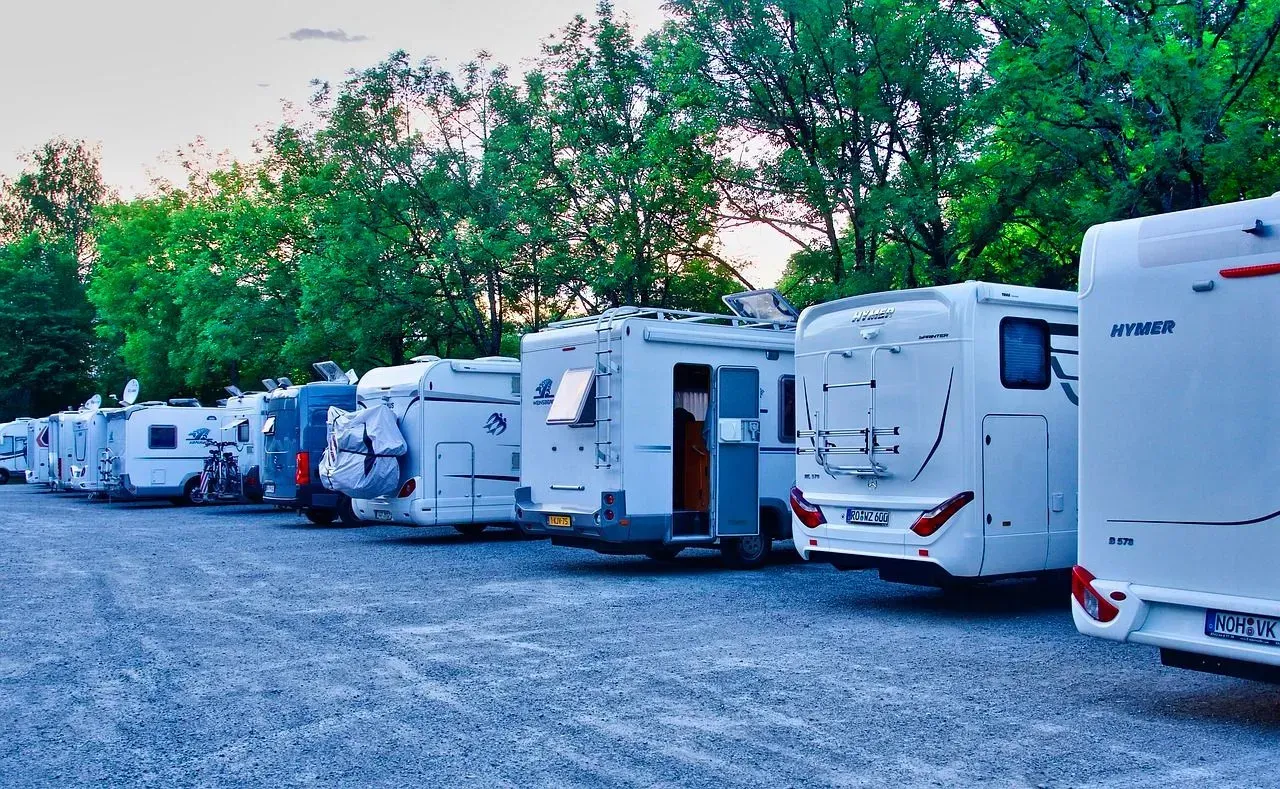
Outdoor RV parking storage is the most common and accessible option. Vehicles are parked in designated spaces, typically on gravel, asphalt, or concrete surfaces. This option limits ground moisture exposure and provides organized parking but offers minimal protection from weather and sunlight. It is often suitable for short-term or budget-conscious storage needs.
Covered RV Storage
Covered storage adds overhead protection from sun, rain, and snow. Roof structures reduce UV exposure and limit direct precipitation contact. This option balances affordability and protection. It may be appropriate for owners seeking seasonal storage without full enclosure.
Enclosed RV Storage Facilities
Enclosed RV storage facilities offer the highest level of environmental separation. Vehicles are stored within fully enclosed structures, providing protection from weather, sunlight, and wind-blown debris.
This option is typically selected for long-term storage or higher-value vehicles. Availability, size limitations, and cost are practical considerations.
Climate Considerations for RV Storage in Kansas City, MO
Kansas City experiences a wide range of seasonal conditions, including hot summers, freezing winters, and variable precipitation. These factors influence storage decisions. Temperature swings can stress seals and materials, while humidity contributes to condensation risks. Storage for recreational vehicles in this region often prioritizes protection from moisture and UV exposure.
RV storage facilities in Kansas City are commonly designed to accommodate these conditions through site layout, drainage planning, and surface materials. Owners should consider how local climate patterns align with their storage duration and RV construction.
Cost, Maintenance, and Practical Limitations
Storage is one part of a broader RV care strategy. It involves ongoing costs, access considerations, and maintenance planning.
Even with storage, RVs require periodic checks. Tires, seals, and mechanical systems should still be inspected during storage periods. Storage does not prevent all forms of deterioration, and results vary depending on usage patterns and maintenance habits.
Understanding these limitations helps set realistic expectations and supports responsible decision-making.
Conclusion
Storage for recreational vehicles helps extend RV lifespan by reducing exposure to weather, UV radiation, pests, and certain mechanical stresses. Different storage options offer varying levels of protection, and the right choice depends on vehicle type, climate, and intended use. By understanding how storage fits into overall RV care, owners can make informed decisions that support long-term usability without relying on assumptions or guarantees.
Book RV Storage
For those seeking clarity about RV storage options in Kansas City, MO, Kansas City RV Storage provides structured information and access to RV parking storage designed for a range of vehicle sizes and needs. Our role is to support informed choices by explaining available options and considerations without pressure.
Reach us via email at kansascityrvstorage@gmail.com, or call (816)-290-6567 to learn more about our services.
Frequently Asked Questions
How long can an RV be stored without use?
Storage duration varies based on maintenance practices, climate, and vehicle condition. Regular inspections are recommended regardless of storage length.
Is outdoor RV parking storage sufficient for long-term storage?
Outdoor storage may be suitable for some situations, but long-term storage often benefits from added protection depending on environmental exposure.
Does RV storage prevent all weather-related damage?
Storage reduces exposure but does not eliminate all risks. Routine maintenance remains important.
Should RVs be covered even when stored at a facility?
Additional covers may offer protection but should be breathable and properly fitted to avoid moisture buildup.
Are RV storage facilities suitable for all RV sizes?
Most facilities accommodate a range of sizes, but space availability and access should be confirmed in advance.
Related Posts